Living a healthy lifestyle has become more than just a trend; an important aspect of our overall well-being.
Living a healthy lifestyle has become more than just a trend; an important aspect of our overall well-being.
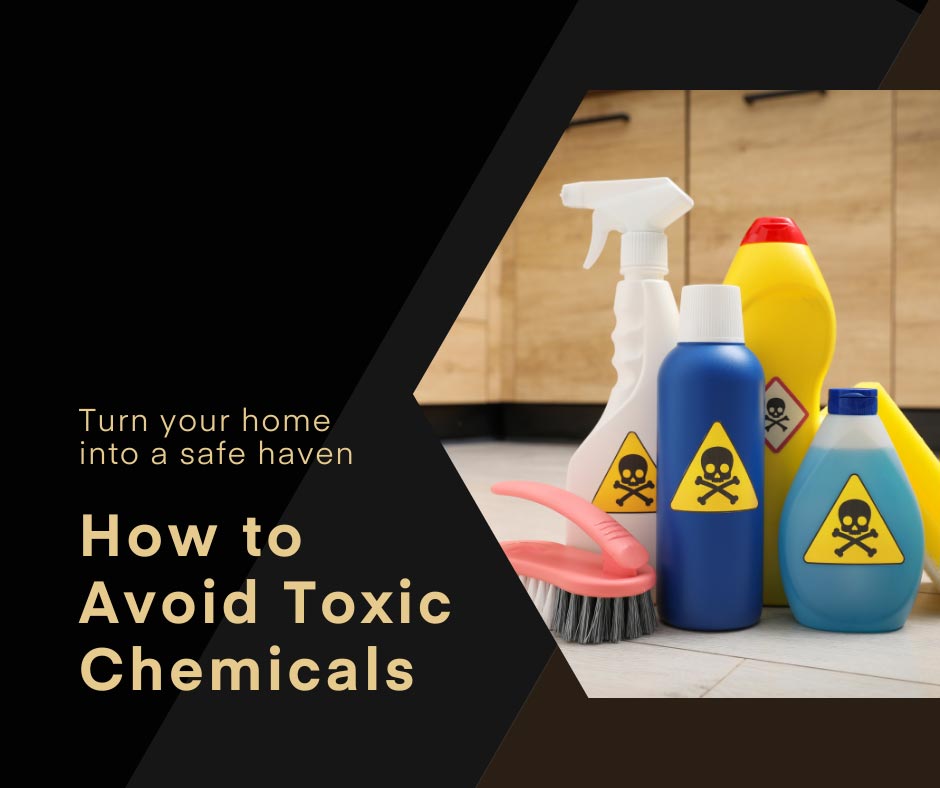
While many focus on healthy eating and regular exercise, the environment is often overlooked. Enter the concept of avoiding toxic chemicals in the home.
For eco-conscious consumers and health enthusiasts, this guide will help you understand the hazards and how to create a healthier living space.
Schedule a Healthy Home Inspection TodayUnderstanding Toxic Chemicals in the Home
Many of us strive for a clean and healthy lifestyle, yet our homes can sometimes be a hidden source of toxins.
As we scrutinize food labels for harmful additives, we should be aware of the materials and products we bring into our living spaces.
Harmful chemicals in building materials, cleaning products, and household items can negatively affect our health.
Pathways of Toxic Chemical Exposure
Inhalation of Toxic Fumes
One of the most common ways toxic chemicals enter our bodies is through inhalation. Vapors, gases, mists, and particulates can be inhaled into the respiratory tract, potentially causing damage.
Once in the lungs, these chemicals can either be exhaled or absorbed into the bloodstream, affecting various organs.
Skin and Eye Absorption
Toxic substances can also be absorbed through the skin and eyes. When chemicals come into contact with the skin, they can cross the barrier and enter the bloodstream, potentially damaging internal organs.
Similarly, chemicals absorbed through the eyes can cause anything from mild irritation to severe damage.
Ingestion of Chemicals
Though less common, ingestion remains a concerning pathway for toxic chemical exposure. Harmful substances can enter the body through contaminated food or liquids.
These chemicals may either immediately harm the gastrointestinal tract or be absorbed into the bloodstream and transported to other organs.
Injection of Chemicals
While rare in a household setting, injection can occur if a contaminated object punctures the skin. This is more of a concern in medical professional occupational settings but should be noted for comprehensive awareness.
Schedule a Comprehensive Healthy Home Assessment TodayHealth Risks of Toxic Chemicals
The health risks posed by toxic chemicals are numerous and concerning. Multiple Chemical Sensitivity (MCS) has become a more frequently reported condition over the past two decades.
A 2009 study highlighted that 31.4% of individuals with asthma also reported chemical hypersensitivity. These findings underscore the need for heightened awareness and preventative measures.
Creating a Healthy Home Environment
To avoid toxic chemicals, we must be mindful of our products and their ingredients. One way to do this is to read labels carefully and look for products labeled as non-toxic or free of harmful chemicals.
Establish a Strong Foundation
Living in a healthy, non-toxic environment begins with the materials used in building and maintaining your home.
Mindful Product Choices
To avoid bringing toxic chemicals into your home, read product labels carefully. Look for items labeled as non-toxic or free from harmful chemicals.
Whenever possible, opt for natural and eco-friendly household cleaners. Vinegar and baking soda can be effective alternatives to harsh chemical cleaners.
Choosing Organic Produce
Opting for organic and locally sourced produce can significantly reduce pesticide exposure and other harmful substances.
Supporting local farmers benefits your health and promotes sustainable agricultural practices.
Proper Disposal of Hazardous Products
Properly disposing of hazardous consumer products can prevent them from entering the environment. Always follow local guidelines for disposal and recycling to minimize your ecological footprint.
Practical Steps to Avoid Toxic Chemicals
How to Handle Household Chemicals Safely
Familiarize yourself with common household toxins, such as formaldehyde, phthalates, and volatile organic compounds (VOCs). These substances are often most commonly found in furniture, carpets, and cleaning products.
Use Natural Cleaning Products
Switching to natural cleaning products is a simple yet effective way to reduce exposure to harmful chemicals. Brands like Norwex offer chemical-free cleaning cloths that eliminate up to 99% of bacteria from surfaces with just water.
Improve Indoor Air Quality
Enhancing indoor air quality can significantly reduce the concentration of airborne chemicals. Utilize air purifiers and plants known for their air-cleaning properties, like spider plants and peace lilies.
Building a Non-Toxic Living Space
Eco-Friendly Building Materials
When constructing or renovating your home, choose eco-friendly building materials. Companies like the Healthy Building Alliance prioritize non-toxic, natural, and low-VOC materials to ensure a healthy indoor environment.
Low EMF Electrical Designs
By incorporating low-EMF electrical designs, you can minimize exposure to electromagnetic fields (EMFs). This approach reduces radiation levels, creating a tranquil and health-focused living environment.
Water Filtration Systems
Installing a structured water whole-home water filtration system ensures you and your family use the healthiest water. These systems remove impurities and contaminants, providing clean and safe water throughout your home.
Concerned About Toxic Chemicals?
Conclusion
Avoiding toxic chemicals in the home is a critical step toward a healthier lifestyle. Understanding the exposure pathways and taking practical steps to minimize risks can create a safe and nurturing environment for yourself and your loved ones.
For a comprehensive healthy home assessment, consider partnering with experts like the HBA. Together, we can build a future where health, sustainability, and innovation are at the forefront of our living spaces.
Connect with a Healthy Building Professional on the HBA directory and transform your living space into a sanctuary of health and sustainability.