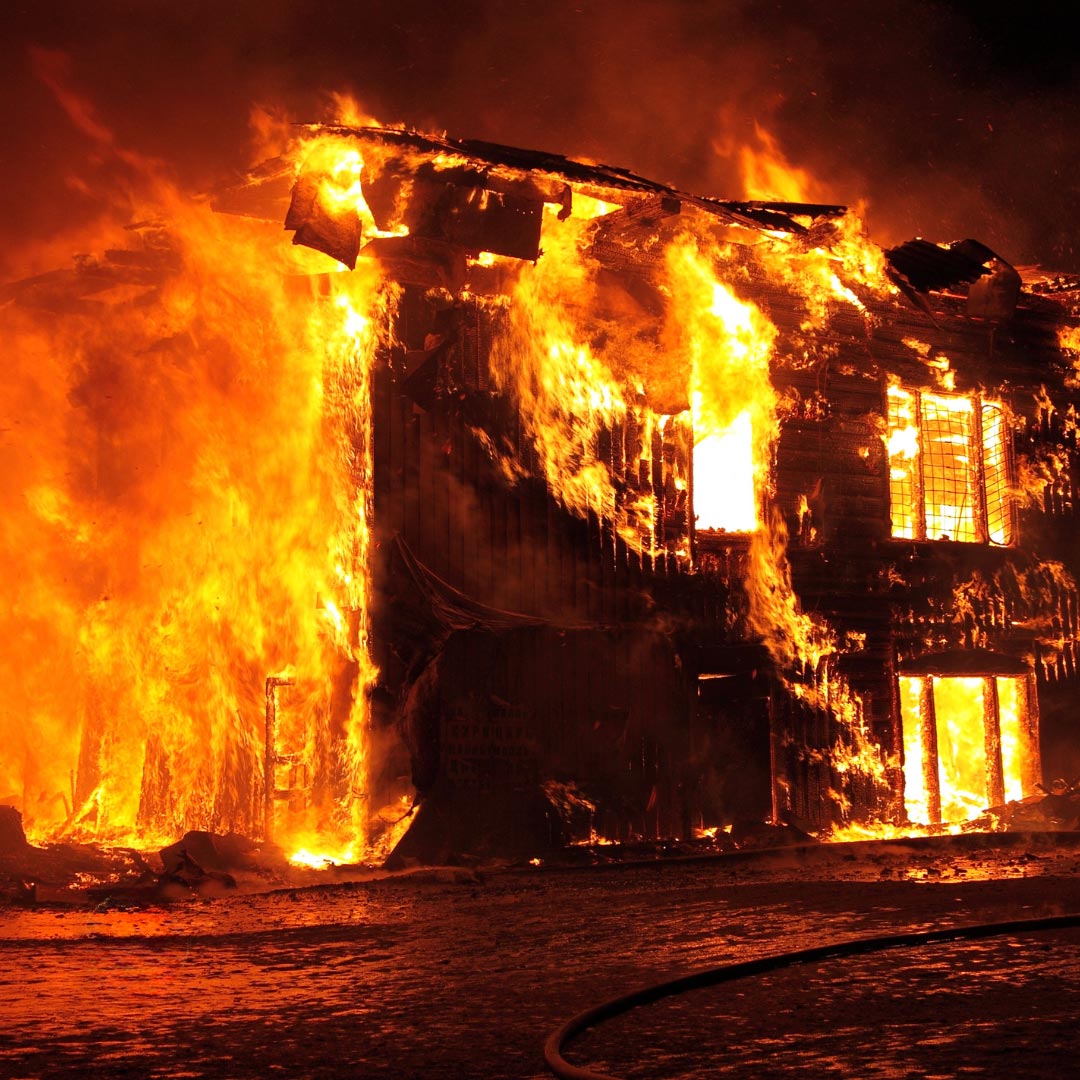
California is renowned for its scenic landscapes, but it also faces significant fire hazards due to its diverse topography and climate.
Introduction
California is renowned for its scenic landscapes, but it also faces significant fire hazards due to its diverse topography and climate.
The increasing frequency and intensity of wildfires have prompted the state to implement stringent fire codes designed to protect residents and properties.
Combining fire safety with healthy home practices not only enhances your living environment but also ensures that you’re compliant with regulations that safeguard your family's well-being.
Latest California Building Code Requirements for Fire Zones
Recent updates to California's building codes specifically address the needs of residential structures in fire-prone areas.
Key changes include stricter requirements for roofing materials, exterior walls, and eaves, mandating fire-resistant options to minimize risks.
Compliance with these codes not only bolsters home safety but can also lead to lower insurance premiums and greater peace of mind for homeowners.
How to Meet Code While Maintaining Healthy Indoor Air Quality
While fire-resistant materials are critical for safety, many traditional options contain toxins that can compromise indoor air quality. Homeowners should focus on selecting non-toxic and low-VOC (volatile organic compounds) materials that align with both fire codes and health standards. This balance can be achieved by incorporating solutions such as fire-rated gypsum board and sustainably sourced wood, ensuring that safety does not come at the expense of a healthy living atmosphere.
Ventilation Requirements and Healthy Solutions
The new fire codes emphasize proper ventilation to prevent smoke ingress during a fire event. Regulations mandate that homes install ventilation systems that not only comply with fire safety measures but also promote healthy indoor air quality. Homeowners are advised to consider advanced HEPA filtration systems that filter out particulate matter while adhering to the latest fire safety protocols.
Ember-Resistant Design Features That Don’t Compromise Health
Integrating ember-resistant design features is essential in wildfire-prone areas, and it can be done without sacrificing health. Materials such as tempered glass, metal roofing, and non-combustible siding can effectively fend off embers while being environmentally friendly. Additionally, implementing sustainable landscaping practices—such as using drought-resistant plants and creating defensible space around your home—can further enhance safety while promoting a healthy ecosystem.
Tips for Working With Contractors Who Understand Both Fire Safety and Healthy Building
Choosing contractors who are knowledgeable about fire safety regulations and green building practices is crucial for achieving your goals.
When interviewing potential contractors, ask specific questions regarding their experience with fire codes and healthy building materials.
Establishing clear communication from the outset ensures that your vision for a safe and healthy home is realized efficiently and effectively.
Conclusion
Creating a healthy home that adheres to California's fire codes is not just a regulatory obligation; it's a proactive step towards safeguarding your family and your investment.
Prioritizing fire safety alongside health-focused solutions is essential in today’s climate, enabling you to enjoy your living space without compromise. Homeowners are encouraged to take these considerations seriously when planning construction or renovation projects, ensuring a safe and vibrant home for years to come.
Connect with a Healthy Building Professional on the HBA directory and transform your living space into a sanctuary of health and sustainability.