In our quest for creating the perfect home environment, we often overlook an invisible yet impactful factor: electromagnetic fields (EMFs), particularly…
In our quest for creating the perfect home environment, we often overlook an invisible yet impactful factor: electromagnetic fields (EMFs), particularly AC magnetic fields. These unseen forces permeate our living spaces and can significantly influence our health and wellbeing.
At the Healthy Building Alliance, we believe that understanding and managing magnetic fields is crucial to creating a truly restorative home environment. This article explores how magnetic fields affect your recovery space and what you can do about it.
What Are Magnetic Fields and Where Do They Come From?
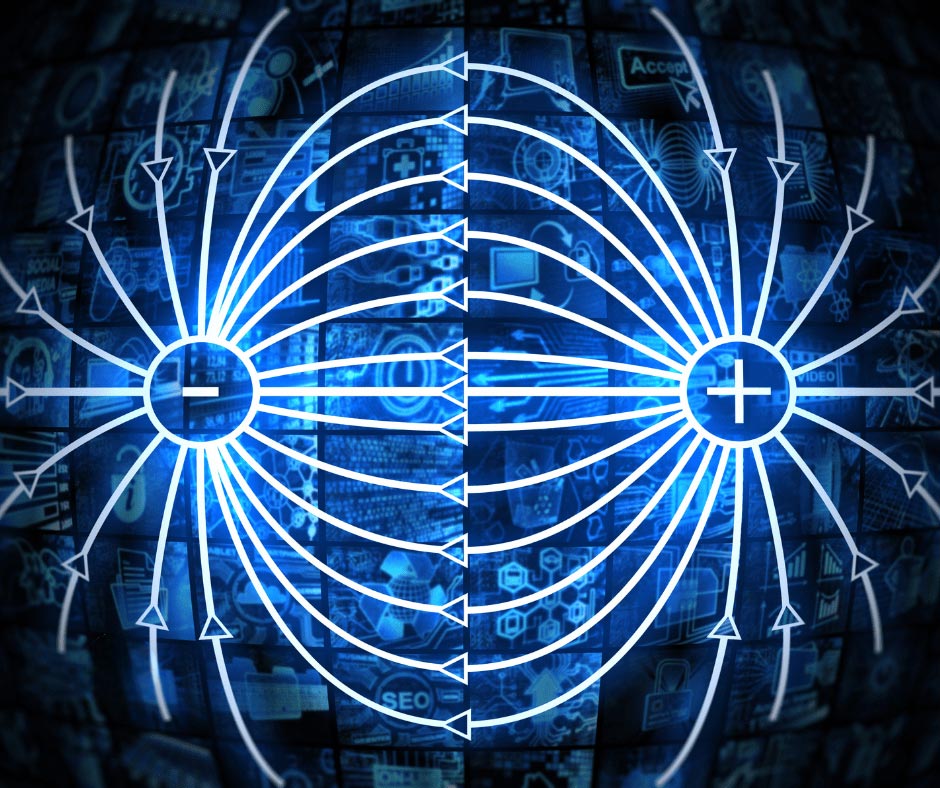
Magnetic fields are generated whenever electrical current flows through a conductor. Unlike some other forms of electromagnetic radiation, these fields can easily penetrate most building materials, making them particularly challenging to shield against.
Common sources of magnetic fields in your home include:
- Power lines (both overhead and underground)
- Transformers and electrical substations
- Operating motorized appliances and equipment
- Home electrical wiring, especially wiring errors
- Metal water pipes carrying unintended electrical current
- Building grounding systems with issues
The Science Behind Magnetic Field Concerns
The World Health Organization's International Agency for Research on Cancer (IARC) classified extremely low frequency electromagnetic fields as a "possible carcinogen" in 2002.
This classification wasn't made lightly after extensive research showing potential correlations between prolonged exposure and health effects.
A landmark study by the Karolinska Institute in Sweden, involving over 436,000 participants, found concerning associations between magnetic field exposure and various health risks.
Beyond these concerns, research has identified potential impacts on:
- Sleep quality and duration
- Recovery processes
- Oxidative stress levels
- Immune system performance
- Overall energy levels and fatigue
Measuring the Fields in Your Home Environment
Magnetic field strength is typically measured in milligauss (mG) using a specialized device called a gaussmeter. In the United States, these readings are typically taken at 60 Hz (50 Hz in Europe).
The Building Biology standard for sleeping areas recommends maintaining magnetic field levels below 0.2 milligauss for optimal sleep environments. Unfortunately, many homes exceed these levels, especially in urban environments or homes with electrical issues.
How the Fields Impact Your Recovery Environment
Your recovery environment—particularly your bedroom—should be a sanctuary for restoration. When magnetic fields are elevated in these spaces, they can potentially:
- Disrupt the quality of deep sleep phases
- Interfere with the body's natural recovery processes
- Create subtle stress on biological systems
- Potentially reduce the effectiveness of recovery time
7 Powerful Strategies to Shield Your Home from Magnetic Fields
Here are seven effective approaches to managing magnetic fields in your home recovery environment:
- Distance yourself from major sources - The strength of magnetic fields decreases rapidly with distance. Rearranging furniture to maximize distance from known sources can make a significant difference.
- Professional EMF evaluation - Have your space professionally evaluated by a qualified EMF consultant who can identify issues not visible to the untrained eye.
- Ensure proper electrical compliance - Make sure your home's electrical system complies with National Electrical Code standards. Many magnetic field issues stem from code violations or wiring errors.
- Consider dedicated circuits - For sensitive areas like bedrooms, dedicated circuits that don't serve power-hungry appliances can help reduce magnetic field exposure.
- Address ground current issues - Unintended current on water pipes and grounding systems can create pervasive magnetic fields throughout a home.
- Strategic shielding solutions - While completely blocking magnetic fields is challenging, specialized shielding materials can help reduce exposure in critical areas.
- Smart technology placement - Keep transformers, chargers, and electrical devices away from key recovery areas, especially your bed.
Technical Considerations for Magnetic Field Mitigation
When addressing magnetic fields, several technical factors must be considered:
- Field strength increases with higher current consumption
- Proximity to the source dramatically affects exposure levels
- Complete elimination may not always be possible, but significant reduction usually is
- Professional solutions exist to help create safer living and recovery spaces
Creating a Truly Restorative Home Environment
Just as we wouldn't skimp on quality materials for our home's foundation, investing in a clean electromagnetic environment could be crucial for your long-term health and wellbeing.
Ready to transform your home into a true recovery sanctuary? Contact an HBA member at HBA for a comprehensive EMF assessment and personalized recommendations for your specific situation.
This article is part of our ongoing series on Creating Healthy Home Environments. For more information about our EMF-proof building techniques and home assessment services, visit our members' services page.
Related reading: Understanding Electric Fields in Your Home
Connect with a Healthy Building Professional on the HBA directory and transform your living space into a sanctuary of health and sustainability.