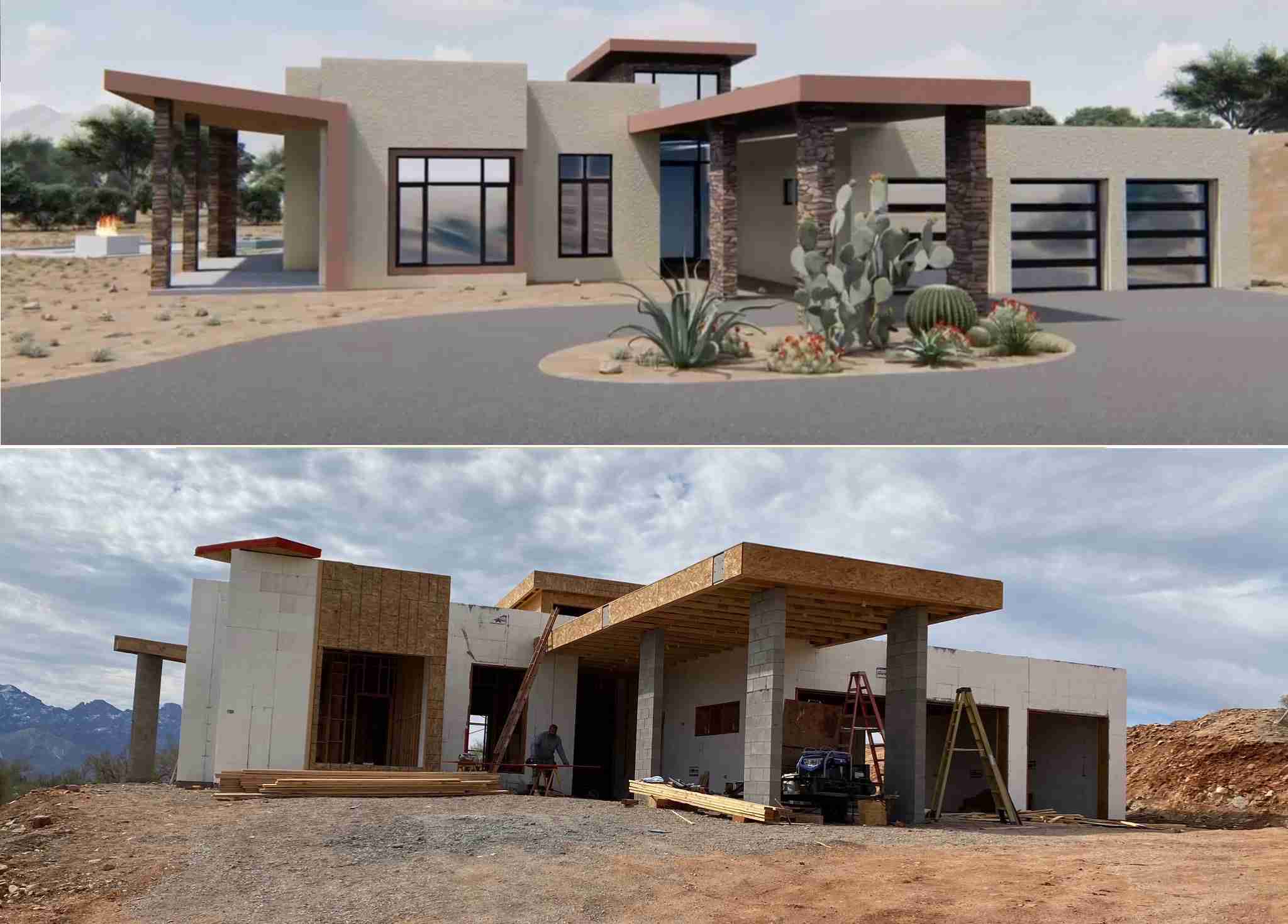
Imagine walking into your dream home—a space that isn’t just beautiful but also supports your health and well-being.
Imagine walking into your dream home—a space that isn’t just beautiful but also supports your health and well-being.
If you’re building or remodeling, one of the most important decisions you’ll make is your choice of healthy materials. Non-toxic building materials can protect your health, reduce environmental impact, and even save money in the long run.
Non-toxic construction doesn’t just create homes; it creates healthier lives. From improving air quality to reducing the risks of long-term health problems, the materials you choose set the foundation for happier, healthier living. This guide will show you why it matters and how to make informed choices.
The Importance of Non-Toxic Building Materials
When it comes to creating a healthy and sustainable living space, the importance of non-toxic building materials cannot be overstated.
Traditional building materials often emit volatile organic compounds (VOCs), which can have adverse health effects on occupants. These harmful emissions can lead to respiratory issues, allergies, and even long-term health problems.
Non-toxic building materials, on the other hand, promote better indoor air quality and significantly reduce the risk of health problems associated with indoor air pollution.
By choosing non-toxic building materials, homeowners can create a healthier living environment for themselves and their families.
Additionally, these materials help reduce the overall environmental footprint of a home, contributing to a more sustainable future.
Incorporating non-toxic building materials into your construction or renovation project is a proactive step towards a healthier, more eco-friendly home. It’s an investment in your well-being and the planet.
The Impact of Building Materials on Your Health
When we think about harmful toxins, we usually worry about cleaning products or pollution outside.
But did you know that your home might be a hidden source of harmful chemicals? Additionally, traditional building materials contribute to carbon emissions, impacting the environment negatively. Traditional building materials can contain substances like VOCs (volatile organic compounds), formaldehyde, and even asbestos—all known to harm health.
Short-Term and Long-Term Effects
Here’s the problem. Over time, these toxins can cause issues like:
- Respiratory problems – coughing, sneezing, or difficulty breathing from poor air quality.
- Allergies and sensitivities – experiencing irritation from harmful off-gassing substances.
- Chronic illnesses – exposure to certain toxins, such as formaldehyde, has been linked to more serious health concerns.
“After switching to non-toxic insulation in my house, my allergies almost disappeared!” says Claudia, an eco-conscious homeowner.
Building materials directly impact the air we breathe and the spaces we spend the most time in. Making informed choices can have immediate AND lifelong benefits.
Building Blocks of Non-Toxic Construction
The foundation of non-toxic construction lies in the careful selection of building blocks that are free from harmful chemicals and VOCs. These materials not only ensure a healthier living environment but also contribute to sustainability. Here are some key building blocks of non-toxic construction:
- Recycled Materials: Utilizing recycled materials, such as recycled steel and recycled plastic, helps reduce waste and promotes a circular economy. These materials are repurposed to create new building components, minimizing the need for virgin resources.
- Natural Insulation: Insulation materials like wool and cork are excellent choices for non-toxic construction. They provide effective thermal and sound insulation without the harmful off-gassing associated with traditional insulation materials.
- Load-Bearing Structures: Sustainable wood and bamboo are ideal for load-bearing structures. These materials are not only strong and durable but also renewable, making them a perfect fit for eco-friendly construction.
- Eco-Friendly Materials: Low-VOC paints and adhesives are essential for non-toxic construction. They help maintain indoor air quality by reducing the release of harmful chemicals into the air.
By incorporating these non-toxic building materials into your construction projects, you can create healthier and more sustainable buildings that stand the test of time.
Key Non-Toxic and Eco Friendly Materials
The good news? There are many healthier building material alternatives to traditional options, focusing on eco-friendly and sustainable choices that are just as effective—if not more so. Here are some of the top picks:
1. Wood Products
Choose woods certified by the Forest Stewardship Council (FSC) for ethically sourced products. Opt for untreated or low-VOC-finished woods for things like flooring, furniture, or kitchen installations. Not only are they safer, but they’ll also add timeless charm to your space.
2. Natural Insulation Materials
Avoid traditional fiberglass with harmful formaldehyde binders. Instead, try:
- Cellulose insulation (from recycled paper)
- Sheep’s wool (naturally flame-retardant and safe)
- Cotton insulation
These materials keep your home warm without those harmful fumes and fibers.
3. Paints and Finishes
Looking to add a pop of color or seal surfaces? Zero-VOC paint is your answer. Brands now offer rich, long-lasting colors while being free from the toxic emissions found in conventional paints. Add natural stains or wax finishes for eco-chic flair.
4. Flooring
Your floors endure a lot, so durability is key. Bamboo and cork floors are fantastic non-toxic flooring options. They’re renewable, stylish, and won’t off-gas toxic chemicals into your home. For those who want softness underfoot, natural fiber carpets are the way to go.
Sustainable Building Materials
Sustainable building materials are designed to minimize environmental impact while promoting energy efficiency. These materials are not only good for the planet but also help reduce energy costs in the long run. Here are some examples of sustainable building materials:
- Recycled Plastic: Building materials made from recycled plastic are a great way to reduce waste and support a circular economy. These materials are durable and versatile, making them suitable for various construction applications.
- Insulated Concrete Forms (ICFs): ICFs provide excellent thermal performance, helping to reduce energy costs by maintaining consistent indoor temperatures. They are also known for their durability and sound insulation properties.
- Green Roofing Systems: Green roofs offer multiple benefits, including improved insulation, reduced stormwater runoff, and enhanced biodiversity. They help regulate building temperatures and reduce the urban heat island effect.
- Phase Change Materials: These innovative materials absorb and release heat, reducing the need for heating and cooling systems. By stabilizing indoor temperatures, they contribute to energy efficiency and lower energy costs.
Using sustainable building materials is a smart choice for anyone looking to reduce their environmental footprint and create energy-efficient buildings that are both eco-friendly and cost-effective.
Green Building Methods
Green building methods encompass a range of practices aimed at reducing environmental impact and promoting energy efficiency. By adopting these methods, builders can create healthier, more sustainable buildings. Here are some key green building methods:
- Using Recycled Materials: Incorporating recycled materials into construction projects helps reduce waste and conserve natural resources. This practice supports a circular economy and minimizes the environmental impact of new construction.
- Natural Insulation and Load-Bearing Structures: Utilizing natural insulation materials and sustainable load-bearing structures enhances the eco-friendliness of a building. Materials like wool, cork, sustainable wood, and bamboo are excellent choices for green construction.
- Energy-Efficient Systems: Implementing energy-efficient systems, such as solar panels and rainwater harvesting, can significantly reduce a building’s energy consumption and water usage. These systems not only lower utility bills but also contribute to a more sustainable lifestyle.
- Green Roofs and Walls: Creating green roofs and walls helps reduce stormwater runoff, improve insulation, and promote biodiversity. These features enhance the overall sustainability of a building and provide additional environmental benefits.
By embracing green building methods, builders can create structures that are not only environmentally friendly but also energy-efficient and cost-effective. These practices pave the way for a more sustainable future in the construction industry.
Certifications That Help You Shop Smart
It’s easy to get overwhelmed by options. A little secret? Look for trusted certifications that simplify the process.
Recognized Labels to Trust:
- Greenguard – Guarantees low-emission, healthier products.
- FSC (Forest Stewardship Council) – Ethical, sustainable wood sourcing.
- Cradle to Cradle – Assures eco-friendly, non-toxic materials.
These certifications help you feel confident about the materials you choose, knowing they’ve been carefully vetted by independent organizations.
"Seeing the Greenguard label gave me so much confidence in my choices. It’s worth investing in products designed with health in mind." — Tom, sustainable construction enthusiast.
Design's Role in a Healthier and Energy Efficient Home
Non-toxic construction doesn’t stop with a shopping list—you can design your home for optimal health too. our members are dedicated to providing the best customer service, ensuring you are satisfied with your non-toxic building materials.
Better Ventilation
Ensure your home has proper air circulation to remove indoor pollutants effectively. This could be as simple as choosing the right windows or investing in energy-efficient HVAC systems.
Light and Space Planning
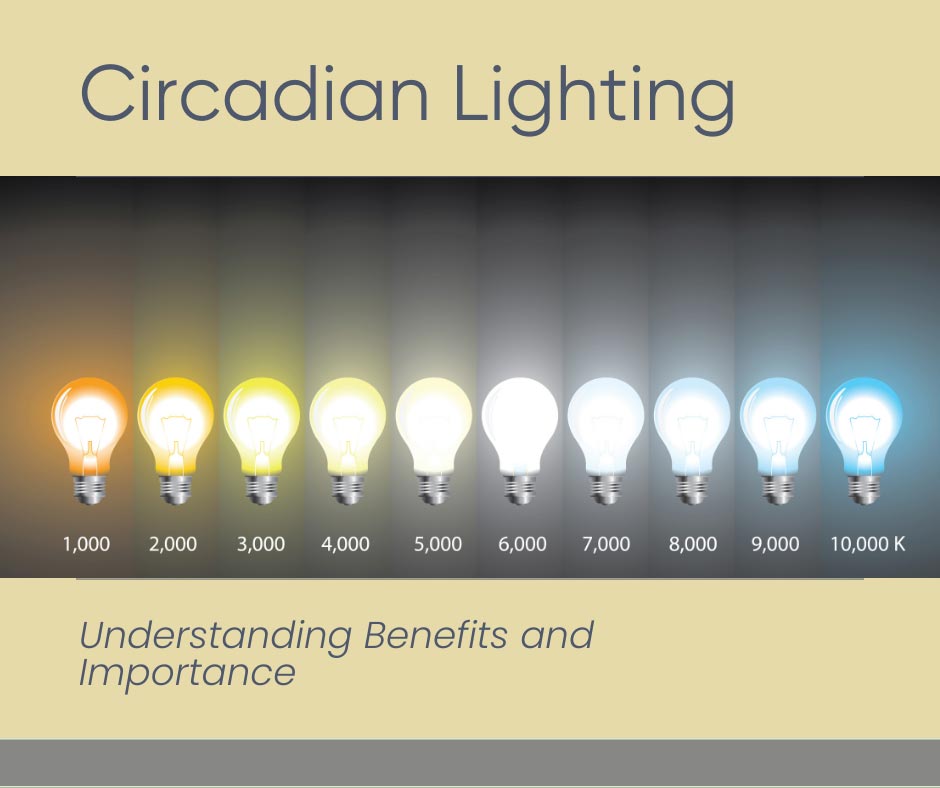
Natural light is a powerful mood-booster. Design for ample windows or skylights while planning spaces to feel open and uncluttered. This minimizes the need for excessive materials and maximizes overall well-being.
Integrating Outdoor Areas
Blurring the lines between indoor and outdoor living adds mental clarity and fosters relaxation. A thoughtful deck or garden space can enhance your connection to nature.
Cost Considerations for Non-Toxic Construction
It’s true—non-toxic materials can sometimes have higher upfront costs. But here’s the thing: They also offer long-term benefits that far outweigh the initial investment.
Why It’s Worth It
- Healthier living – Avoid medical bills caused by long-term toxin exposure.
- Durability – High-quality materials often last longer, saving you from frequent replacements.
Plus, look into grants or government incentives designed for sustainable homebuilders. Many eco-friendly programs provide financial assistance to encourage better building practices.
Budget-Friendly Alternatives
Don’t have a big budget? That’s OK:
- Opt for local, natural materials to reduce costs.
- Prioritize the spaces you use most, such as bedrooms or kitchens.
- Gradually swap in non-toxic elements over time.
Real-Life Success Stories
Hundreds of homeowners are already living in non-toxic dreams. Take Marta and Jared, for example, who decided to go non-toxic after their son developed asthma. “Once we switched to cork flooring and low-VOC paints, the difference was night and day,” says Marta.
Stories like theirs remind us that healthier choices today lead to happier tomorrows.
Closing Thoughts
Your home should nurture your health and happiness—not compromise it. By prioritizing non-toxic materials, you can build a space that’s beautiful, safe, and sustainable all at once.
Now’s the time to take action. Whether you’re building from scratch or renovating a single room, every choice matters. Begin researching non-toxic options today and take the first step towards a healthier home for you and your family!
Connect with a Healthy Building Professional on the HBA directory and transform your living space into a sanctuary of health and sustainability.